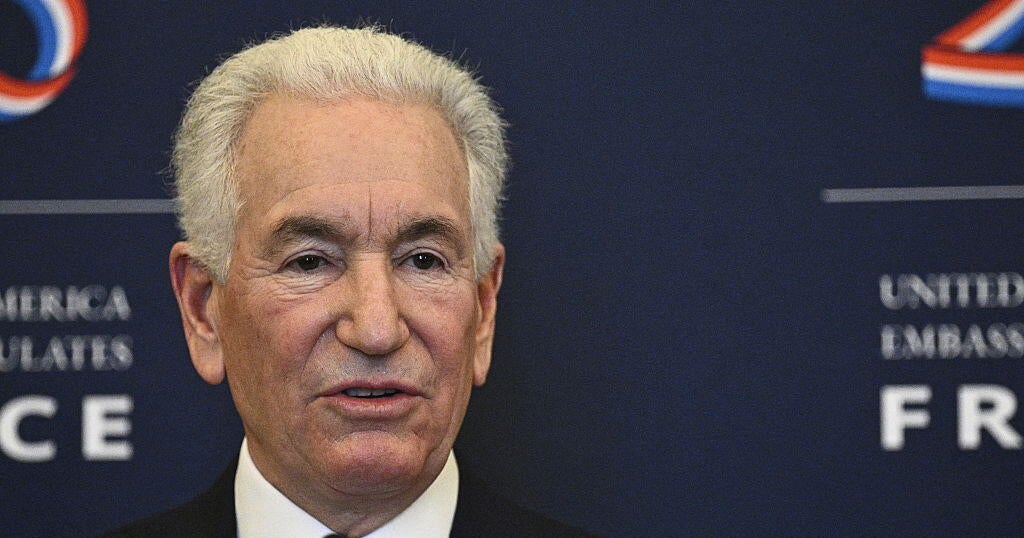
A recent diplomatic incident saw France take a firm stand against perceived foreign interference, denying the US Ambassador access to senior government officials following what French authorities termed a "blatant protocol breach." The episode, sparked by US administration comments on a sensitive internal matter, quickly escalated, testing the robust alliance between Washington and Paris, even as both nations celebrated 250 years of diplomatic relations. At the heart of the dispute was Ambassador Charles Kushner's decision to skip a crucial meeting summoned by the French Foreign Ministry, leading to a swift and severe response from Paris that underscored the inviolable nature of diplomatic decorum.
The Spark of Discord: US Statements and French Outrage
The genesis of this diplomatic fracas lay in a series of statements issued by the US State Department’s Counterterrorism Bureau and subsequently amplified by the US Embassy in Paris. These statements, posted on X (formerly Twitter), commented on the tragic death of Quentin Deranque, a 23-year-old far-right activist, in Lyon. Deranque died from brain injuries after being beaten in an altercation between far-left and far-right activists.
The US posts asserted that “violent radical leftism is on the rise and its role in Quentin Deranque’s death demonstrates the threat it poses to public safety.” While framed as a general observation on counterterrorism, France viewed these pronouncements as an unacceptable intrusion into its internal affairs and a "political exploitation" of a national tragedy. The French government strongly bristled at what it perceived as an external power lecturing it on domestic violence and security issues, particularly in such a politically charged context.
France, like any sovereign nation, maintains strict boundaries regarding external commentary on its internal political and social dynamics. For an ally, especially one with such a deep historical bond as the United States, to openly characterize a domestic incident with such specific political framing was seen as a direct challenge to French sovereignty. This wasn't merely a difference of opinion; it was interpreted as an attempt to influence French public discourse and potentially international perceptions of France's internal stability, which deeply offended Paris.
"France cannot accept foreign interference," stated French Foreign Minister Jean-Noël Barrot, articulating the nation's indignation. This principle of non-interference is a cornerstone of international law and diplomacy, ensuring mutual respect and preventing external meddling in a nation's sovereign matters. The US statements, in this light, were not just ill-advised; they were a direct affront to French sensibilities and diplomatic norms.
A Blatant Protocol Breach: Ambassador Kushner's No-Show
In response to the contentious US statements, French authorities formally summoned US Ambassador Charles Kushner to a meeting at the Foreign Ministry on Monday evening. Such a summons is a serious diplomatic request, signifying a nation's official concern and expectation of a direct, high-level explanation. It is a standard channel for addressing grievances and seeking clarity in international relations.
However, Ambassador Kushner, father of former US President Donald Trump's son-in-law Jared Kushner, chose not to attend the scheduled meeting. This no-show immediately escalated the situation from a verbal spat over controversial tweets to a severe foreign interference: US tweets spark France protocol spat into a full-blown diplomatic crisis involving a direct challenge to French authority and established diplomatic practice.
French Foreign Minister Jean-Noël Barrot minced no words in his assessment of Kushner's absence. In an interview, he described the failure to appear as a "surprise" and unequivocally called it a "blatant breach of accepted diplomatic protocol."
What exactly constitutes a protocol breach France would take so seriously? In diplomatic terms:
- Disrespect for Sovereignty: Ignoring a formal summons from a host nation's foreign ministry is seen as a direct affront to that nation's sovereignty and authority.
- Undermining Diplomatic Channels: It bypasses established mechanisms for resolving disputes and implies a disregard for the very framework that governs international relations.
- Lack of Reciprocity: Nations expect ambassadors to respect the diplomatic norms they would demand from foreign envoys in their own capitals.
The ambassador's absence was not merely an inconvenience; it was interpreted as an intentional slight, damaging the trust and respect that are fundamental to effective diplomatic engagement. This breach profoundly impacted his ability to perform his duties effectively in France.
Denied Access: The Immediate Consequences of the Breach
The French government's response to Ambassador Kushner's protocol breach was swift and decisive. Foreign Minister Barrot publicly declared that due to his no-show, the US Ambassador would be denied access to senior figures in the French government until he provided an explanation for his absence.
This denial of access is a significant diplomatic sanction, effectively sidelining the ambassador and severely hampering his ability to conduct official business. An ambassador's primary role is to represent their country's interests, foster relations, and communicate directly with the host government. When denied access to senior ministers and officials, an ambassador's influence and effectiveness are drastically curtailed. It means:
- Impaired Communication: Critical bilateral issues, from trade to security, cannot be discussed at the highest levels.
- Reduced Influence: The ambassador loses the ability to advocate directly for their country's policies or gather crucial intelligence from direct interactions.
- Symbolic Degradation: It sends a clear message about the host nation's displeasure and the diminished standing of the ambassador in the eyes of the government.
For France, this move was a powerful assertion of its sovereignty and a clear signal that diplomatic protocols are not merely suggestions but foundational rules of engagement. It demonstrated Paris's resolve to push back against perceived interference and to enforce the expected standards of conduct from foreign diplomats stationed on its soil. This firm stance served as a reminder that even close allies must adhere to the established framework of international relations, especially when sensitive internal matters are concerned.
Mending Fences: The Call that Turned the Page
The diplomatic standoff reached its peak with France's announcement of restricted access. However, the situation found a path towards de-escalation relatively quickly. On Tuesday, following Barrot's public remarks about the breach, Ambassador Kushner telephoned the French Foreign Minister. This direct communication proved to be the turning point, helping to avert a prolonged and potentially damaging diplomatic crisis.
According to statements from both sides, the call was described as "frank and amicable." During the conversation, Kushner and Barrot reaffirmed their shared commitment to working together on the numerous issues impacting the United States and France. Significantly, they also agreed to meet in the coming days, signaling a willingness to restore direct, high-level engagement.
Crucially, during the call, Minister Barrot reiterated France's unequivocal stance against foreign interference. Ambassador Kushner reportedly "took note" of this, indicating an acknowledgment of France's position and a willingness to respect its boundaries going forward. This exchange allowed both parties to "turn the page" on the incident, demonstrating the vital role of direct, high-level diplomatic dialogue in resolving contentious issues.
This episode serves as a powerful example of how diplomatic fallout: how a US ambassador's call mended ties can quickly de-escalate tensions. Even after a significant protocol breach France found unacceptable, the immediate and direct engagement between the key figures allowed for a reset, preventing the situation from festering and causing long-term damage to the bilateral relationship. It underscored the importance of face-saving measures and clear communication in the delicate dance of international diplomacy.
Beyond the Headlines: The Enduring Significance of Diplomatic Protocol
While the immediate crisis between France and the US was diffused, the incident serves as a potent reminder of the enduring significance of diplomatic protocol and the principle of non-interference. Diplomatic protocol isn't merely a set of archaic rules; it's the invisible architecture that supports the entire edifice of international relations, ensuring smooth communication, mutual respect, and the orderly conduct of affairs between sovereign states.
Understanding and adhering to these protocols is paramount for several reasons:
- Preserving Sovereignty: It protects nations from external undue influence, allowing them to manage their internal affairs without foreign meddling.
- Facilitating Communication: Established channels and norms ensure that messages are conveyed and received as intended, minimizing misunderstandings.
- Maintaining Stability: By providing clear guidelines for behavior, protocol reduces friction and prevents minor disagreements from escalating into major conflicts.
- Building Trust: Respecting protocol signals a commitment to the foundational principles of international law and fosters trust among nations.
For diplomats, navigating this landscape requires not only an understanding of formal rules but also a keen sense of cultural nuance and political sensitivity. Practical tips for avoiding such diplomatic pitfalls include:
- Verify and Validate: Before making public statements about a host nation's internal affairs, especially sensitive ones, always verify facts and consider the potential ramifications.
- Respect Channels: When summoned, attend the meeting. If unable, communicate clearly and offer alternatives immediately. Ignoring a summons is a fundamental protocol breach France and other nations will not tolerate.
- Prioritize Private Diplomacy: Sensitive issues are often best handled through private diplomatic channels before resorting to public statements, especially those that could be construed as interference.
- Understand Local Sensitivities: What might seem like a neutral observation from one country's perspective can be deeply offensive in another, particularly regarding domestic politics, social issues, or national tragedies.
- Know the Line: Diplomats are expected to represent their country's interests but must not cross the line into direct interference in the host country's political processes or internal debates.
This incident, occurring during a year celebrating 250 years of robust diplomatic relations between the US and France, served as a stark reminder that even the strongest alliances are not immune to the complexities of diplomatic protocol. It highlighted the delicate balance between expressing concerns and overstepping boundaries of sovereignty.
In conclusion, the episode involving US Ambassador Charles Kushner and the French Foreign Ministry was a sharp lesson in the enduring power of diplomatic protocol. What began with controversial US tweets on a sensitive French internal matter escalated into a major diplomatic spat when the ambassador committed a blatant protocol breach France could not ignore. The swift response from Paris, denying the ambassador access to senior officials, underscored the seriousness with which nations protect their sovereignty and uphold diplomatic norms. While direct communication ultimately defused the immediate crisis, the incident serves as a powerful reminder for all nations and their envoys that respecting established protocols, understanding cultural sensitivities, and adhering to the principle of non-interference are not mere formalities, but essential pillars for fostering stable and productive international relations.